
This course is an introduction to Pharmacy Language, Techniques and Procedures and provides the pharmacy technician student with the techniques and procedures necessary to prepare and dispense medications in both the community and institutional pharmacy settings. An overview of the roles of the pharmacist and pharmacy technician within the health care system are explored briefly.
- Teacher: Jennifer Masini
The Profession and Scope of Practice for Pharmacy Technicians.
Federal and Provincial laws.
Regulations and standards that govern pharmacy practice in the Canadian Health Care System.
Ethical and professional practice.
- Teacher: Jennifer Masini
Pharmacy Practice II. Students continued focus on these areas of practice: ethics and professionalism, legal requirements that guide professional practices, drug diversion, accountability and life long learning, health teaching and information sharing, decision making and best practices. Students will continue to explore the role of legislation and regulatory requirements in the application of drug schedules through a variety of activities including discussion forums, quizzes, assignments and the comprehensive final exam.
- Teacher: Audra Spielman

PTEC 224 Non-Sterile Compounding is an experiential lab course in which students learn the skills and best practices for compounding non-sterile products including ingredient calculations, measurements, and preparation techniques for creams, ointments, solutions, and suspensions. Students use compounding formulas and drug stability and drug compatibility reference materials in the preparation of products with an emphasis on accuracy and safety. Maintenance of compounding equipment and workspace utilization are integrated into the learning activities.
- Teacher: Serena Ross
This course is an introduction to Pharmacy Language, Techniques and Procedures and provides the pharmacy technician student with the techniques and procedures necessary to prepare and dispense medications in both the community and institutional pharmacy settings. An overview of the roles of the pharmacist and pharmacy technician within the health care system are explored briefly.
- Teacher: Shelby Jorgensen
- Teacher: Kathleen Young
The Profession and Scope of Practice for Pharmacy Technicians.
Federal and Provincial laws.
Regulations and standards that govern pharmacy practice in the Canadian Health Care System.
Ethical and professional practice.
- Teacher: Shelby Jorgensen
- Teacher: Kathleen Young
Pharmacy Calculations covers the mathematical skills required in the practice of pharmacy. Students examine measurement systems, decimals, fractions, and ratio and proportion concepts. The metric system, in keeping with health care standards in Canada, is a main focus of the course. The interpretation of numerals, symbols and Latin abbreviations used in the pharmacy is a focus within all course assignments and exams. Exploration of dilution and concentration, percentage strength, and compounding calculations prepare students for hands on lab classes in dispensing, compounding and sterile product preparation. Emphasis is placed on completing all calculations with 100% accuracy in preparation for application and testing in the lab classes and practicum.
- Teacher: Kathleen Young

Interpersonal Communication in Pharmacy focuses on self-awareness and effective interpersonal communication skills required of professionals working on the health care team and as an online learner. Students learn how to actively listen and respond, account for differences that may influence understanding and engagement in conversation, and strategies to support personal wellness and professional boundaries.
- Teacher: Audra Spielman

Interpersonal Communication in Pharmacy focuses on self-awareness and effective interpersonal communication skills required of professionals working on the health care team and as an online learner. Students learn how to actively listen and respond, account for differences that may influence understanding and engagement in conversation, and strategies to support personal wellness and professional boundaries.
- Teacher: Audra Spielman
This course is an introduction to Pharmacy Language, Techniques and Procedures and provides the pharmacy technician student with the techniques and procedures necessary to prepare and dispense medications in both the community and institutional pharmacy settings. An overview of the roles of the pharmacist and pharmacy technician within the health care system are explored briefly.
- Teacher: Audra Spielman
The Profession and Scope of Practice for Pharmacy Technicians.
Federal and Provincial laws.
Regulations and standards that govern pharmacy practice in the Canadian Health Care System.
Ethical and professional practice.
- Teacher: Audra Spielman
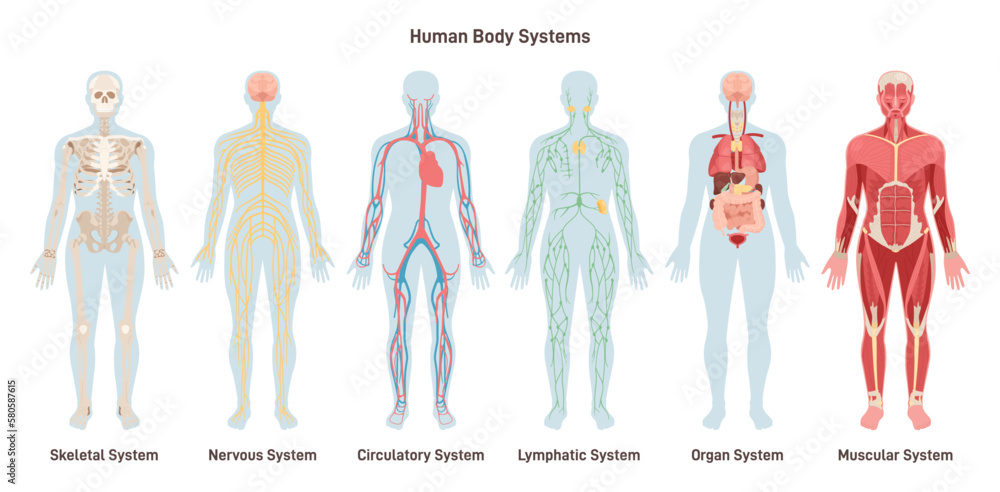
Anatomy, Physiology and Medical Terminology is an introduction to medical language, and the anatomy and physiology of the human body using a body system approach. Students will learn to describe normal functioning of body systems and begin to explore the pathophysiology of common diseases and medical conditions that will be covered in Pharmacology I and Pharmacology II.
- Teacher: Olivia Bailey
- Teacher: Melissa Bleier
- Teacher: Chelsie Panton

Interpersonal Communication in Pharmacy focuses on self-awareness and effective interpersonal communication skills required of professionals working on the health care team and as an online learner. Students learn how to actively listen and respond, account for differences that may influence understanding and engagement in conversation, and strategies to support personal wellness and professional boundaries.
- Teacher: Shelby Jorgensen